Home » Diseases » Emergencies / First Aid for Dogs & Cats – General Information » Emergencies / First Aid A-Z » Gastric dilatation-volvulus (Torsio ventriculi)
Gastric dilatation-volvulus (Torsio ventriculi)
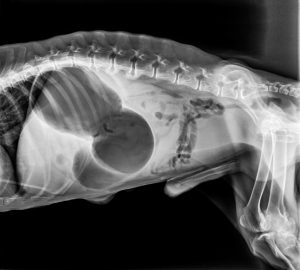
X-rayX-ray is an imaging technique that uses X-rays to create images of the inside of the body. It is often used to diagnose bone fractures, lung diseases, and other conditions. of gastric dilatation-volvulus in a dog
Gastric dilatation-volvulus (Torsio ventriculi) Dog/Cat
Gastric dilatation-volvulus is the twisting of the stomach around its axis, often with gas accumulation and impaired drainageDrainage refers to the removal of fluid from body cavities, Wounds, or inflamed areas, often using a tube or other device. It is used to prevent infection and promote healing.. This rapidly impairs blood supply and circulation, often with shock development. It is a life-threatening surgical Emergency.
Gastric torsion (Torsio ventriculi) is an acuteAcute refers to a condition that occurs suddenly and is usually of short duration. In a medical context, it describes symptoms or illnesses that can quickly become serious and require immediate attention., life-threatening condition (immediate/emergency) that occurs primarily in medium and large breed dogs. In this condition, the stomach rotates on its own longitudinal axis, which closes both the entrance to the stomach (cardia) and the exit from the stomach (pylorus). This rotation creates a closed system in which gases and liquids accumulate, leading to massive gastric distension. The rotation can be between 90° and 360°, with a rotation of 180° to 270° being the most common.
Anatomically, the dog’s stomach is only attached to the spleen, liver, and diaphragm by small ligaments (Ligamenta), which allows for a certain amount of mobility. In gastric dilatation-volvulus, the stomach usually shifts clockwise when viewed from behind the dog. Here, the pylorus shifts from the right side of the abdomenThe abdomen, also known as the abdominal cavity, is the part of the body located between the rib cage and the pelvis. It houses several important organs, including the stomach, liver, kidneys, intestines, and spleen. to the left and dorsalDorsal refers to the back side or the back of an organism or body part, meaning pertaining to the back. In the body, it refers to the back side, as opposed to ventral, which refers to the abdominal side. (towards the back), while the greater curvature of the stomach shifts from the left ventralVentral refers to the belly side or the direction towards the front surface of an organism. The opposite of ventral is dorsal, which refers to the back or the direction towards the spine. (bellywards) to the right.
The pathophysiological consequences are serious: The rotation compresses blood vessels, leading to Circulatory disorders of the stomach wall. The resulting Ischämie can cause necrosisNecrosis is the Death of tissue in a living organism, caused by factors such as injury, infection, or lack of blood supply. Necrotic tissue can cause Inflammatory conditions and further health problems. (tissue Death) of the stomach wall. In addition, the massive expansion of the stomach exerts pressure on the diaphragm, which impairs breathing and hinders venous return to the heart, which can lead to hypovolemic shock.
Causes
In gastric dilatation-volvulus, the stomach rotates from its usual position around its longitudinal axis, so that air or other stomach contents can no longer escape. This severely restricts the blood supply to the stomach and, in some cases, the spleen. The accumulation of gases in the stomach causes it to enlarge in a barrel shape. The poor blood supply and the increase in pressure in the stomach lead to the death of the affected tissue.
Large dog breeds, such as Great Danes and German Shepherds, are most commonly affected. However, breeds such as Akita Inu and Shar-Pei also appear to be particularly susceptible to gastric dilatation-volvulus. Feeding dry food followed by ingesting large amounts of liquid can also contribute to gastric dilatation-volvulus (Fig.). For these dog breeds and for dogs that have already suffered gastric dilatation-volvulus, it is important to feed small meals more frequently each day.
If the operation takes place within 6 hours of the gastric torsion event, the chances of success are good. The prognosisThe prognosis is the prediction of the likely course and outcome of a disease based on the general state of health, the nature of the disease, and the response to treatment. It can provide information on how a disease is expected to develop. for successful therapyTherapy refers to the treatment of diseases or disorders with the aim of alleviating symptoms, promoting healing, or improving quality of life. Therapies can be medicinal, surgical, or through other medical interventions. is 80–90%. The more time that passes between suffering a gastric torsion and the predominantly surgical restoration of normal anatomical conditions, the worse the chances of success.
Supplement
The exact etiologyEtiology is the study of the causes and origins of diseases. It deals with the factors that contribute to the emergence and development of pathological conditions. of gastric dilatation-volvulus is multifactorialMultifactorial refers to conditions or diseases that arise from the interplay of several causes or risk factors. In dogs and cats, these can be genetic predispositions, environmental influences, and nutritional factors that together lead to health problems. and has not been fully clarified to date. However, there are several predisposing factors that can increase the risk of gastric dilatation-volvulus.
Anatomical risk factors primarily include the deep, narrow chest of certain dog breeds such as Great Danes, German Shepherds, Dobermans, Irish Wolfhounds, Bernese Mountain Dogs, Weimaraners, and Akita Inus. This anatomyAnatomy is the scientific study of the structure of living things. It deals with the construction and organization of organisms, including their systems, organs, and tissues. gives the stomach more room to move in the abdominalThe term "abdominal" refers to anything that concerns the belly or the abdomen. It is an adjectival expression used to describe the location, symptoms, or conditions that occur in the abdominal area. cavity. A loose suspensory ligament of the stomach (hepatogastric ligament) can also promote the development.
Nutritional factors also play a significant role. Feeding large amounts of food once a day significantly increases the risk, as the stomach is greatly distended. Dry food that swells in the stomach, especially if large amounts of water are then ingested, is another risk factor. Eating quickly and swallowing air (aerophagia) promotes gas accumulation in the stomach.
Behavioral factors include intense physical activity immediately after feeding, which can delay gastric emptying and promote gas formation. StressStress refers to the state of an organism reacting to external stimuli or demands. In veterinary medicine, stress can have physical or psychological effects on animals, impacting their health and well-being. can also contribute to gas accumulation due to increased air intake when Panting.
Genetic factors are also being discussed, as gastric dilatation-volvulus occurs more frequently in some families. A familial predispositionA predisposition is an innate inclination or susceptibility of an organism to certain diseases or conditions. In dogs and cats, there may be a genetic predisposition to certain conditions such as hip dysplasia or certain heart diseases. has been demonstrated in several studies, suggesting a hereditary component.
Age and gender also influence the risk: Older dogs (> 7 years) are more frequently affected, presumably due to decreasing tissue tone. In some breeds, male animals appear to be at higher risk, although the exact mechanism for this is still unclear.
Symptoms
Gastric dilatation-volvulus (Torsio ventriculi/GDV) in dogs and cats
Typical Symptoms:
- Sudden Restlessness, heavy Panting, abdominalThe term "abdominal" refers to anything that concerns the belly or the abdomen. It is an adjectival expression used to describe the location, symptoms, or conditions that occur in the abdominal area. Pain
- Unsuccessful Gagging/retching attempts (“dry Gagging”)
- AbdominalThe term "abdominal" refers to anything that concerns the belly or the abdomen. It is an adjectival expression used to describe the location, symptoms, or conditions that occur in the abdominal area. bloating, drooling, rapid weakness
Alarm signs:
- Increasing, sometimes massive bloating of the stomach 1 to 2 hours after the last feeding, associated with a rapidly increasing abdominalThe term "abdominal" refers to anything that concerns the belly or the abdomen. It is an adjectival expression used to describe the location, symptoms, or conditions that occur in the abdominal area. circumference
- Cardiovascular collapse,
- Shock Symptomatik
- Pale mucous membranes, weak pulse, cold extremities
- Inability to lie down, severe Pain
Escalation/course:
- Minutes–hours: shock and organ Ischämie → immediately critical
- Brief improvement is deceptive → condition can abruptly change
- Cardiac arrhythmiaAn arrhythmia is a heart rhythm disorder in which the heart beats irregularly, either too fast (tachycardia), too slow (bradycardia), or with an irregular pattern. Arrhythmias can be harmless or a sign of serious heart problems. can occur secondarily (hours)
The clinical signs of gastric dilatation-volvulus usually develop rapidly and are characterized by their dramatic nature. The Symptomatik is often observed within 1–2 hours after the last feeding, but can also occur at other times.
The most noticeable symptom is the progressiveProgressive describes a condition or disease that worsens over time. This term is often used to characterize the course of an illness that causes increasingly severe symptoms or damage. bloating of the abdomenThe abdomen, also known as the abdominal cavity, is the part of the body located between the rib cage and the pelvis. It houses several important organs, including the stomach, liver, kidneys, intestines, and spleen., which leads to a clearly visible, barrel-shaped distension of the abdomenThe abdomen, also known as the abdominal cavity, is the part of the body located between the rib cage and the pelvis. It houses several important organs, including the stomach, liver, kidneys, intestines, and spleen.. This distension is particularly pronounced in the area of the anterior abdomenThe abdomen, also known as the abdominal cavity, is the part of the body located between the rib cage and the pelvis. It houses several important organs, including the stomach, liver, kidneys, intestines, and spleen. and is asymmetrical, with the left side often being more affected. On PalpationPalpation is an examination method in which the condition of body tissues is assessed by feeling them with the hands. It is used to identify swelling, pain, or other abnormalities., the abdomenThe abdomen, also known as the abdominal cavity, is the part of the body located between the rib cage and the pelvis. It houses several important organs, including the stomach, liver, kidneys, intestines, and spleen. feels tense and drum-like.
Affected dogs show increasing Restlessness, which manifests as restless pacing, Whining, or a characteristic posture with an arched back and lowered head. The animals often try to vomit, but this remains unsuccessful due to the stomach obstructionobstruction refers to the blockage or narrowing of a hollow organ or canal, which hinders the normal flow of liquids or gases. In dogs and cats, an obstruction can occur in the digestive tract, airways, or urinary tract and often requires immediate medical treatment. (unproductive Gagging). This symptom is particularly valuable diagnostically.
As the disease progresses, signs of hypovolemic shock develop: The mucous membranes become pale to cyanoticCyanotic refers to the presence of cyanosis, a bluish discoloration of the skin or mucous membranes, indicating a lack of oxygen in the blood. (bluish), and the capillary refill time is prolonged to over 2 seconds. The pulse becomes rapid and thready, while the respiratoryRespiratory refers to breathing or the process of breathing. Respiratory diseases affect the respiratory tract and can impair the ability to breathe effectively. rate increases due to the pressure of the bloated stomach on the diaphragm. The body temperature may be initially elevated, but drops in the advanced state of shock.
The dogs show increasing weakness and apathyApathy refers to a state of indifference and reduced interest or lack of emotional involvement in activities or events that would normally arouse interest., may express Pain on PalpationPalpation is an examination method in which the condition of body tissues is assessed by feeling them with the hands. It is used to identify swelling, pain, or other abnormalities. of the abdomenThe abdomen, also known as the abdominal cavity, is the part of the body located between the rib cage and the pelvis. It houses several important organs, including the stomach, liver, kidneys, intestines, and spleen., and often assume a prayer position to reduce the pressure in the abdominalThe term "abdominal" refers to anything that concerns the belly or the abdomen. It is an adjectival expression used to describe the location, symptoms, or conditions that occur in the abdominal area. cavity. In advanced stages, collapse, impaired consciousness, and finally Death occur if no immediate veterinary intervention is performed.
- In some dogs, Cardiac arrhythmiaAn arrhythmia is a heart rhythm disorder in which the heart beats irregularly, either too fast (tachycardia), too slow (bradycardia), or with an irregular pattern. Arrhythmias can be harmless or a sign of serious heart problems. may also occur, caused by the release of myocardial toxins from the ischämischen stomach tissue and by electrolyte shifts. These arrhythmias can also occur 24–72 hours after the initialInitial means beginning or at the start. In medicine, it can refer to the first symptoms of a disease or the first phase of a treatment process. treatment and represent a dangerous complication.
First Aid
- Gastric dilatation-volvulus is one of the most serious Emergencies in small animal medicine.
- Immediate (!) transport to a veterinary hospital is necessary. Without professional help, this Emergency cannot be resolved and will lead to the animal’s Death within a few hours. An operation is usually necessary.
- Do not try to remove the gas from the stomach yourself.
- Do not force-feed anything.
- Pay attention to early symptoms such as drooling, unsuccessful attempts to vomit, Restlessness, expressions of Pain, and shortness of breath.
Recurrence rates after a pexy are low. Prognostically unfavorable factors include high preoperative lactate levels, gastric wall necrosisNecrosis is the Death of tissue in a living organism, caused by factors such as injury, infection, or lack of blood supply. Necrotic tissue can cause Inflammatory conditions and further health problems., a necessary splenectomy, existing peritonitis, or sepsisSepsis is a life-threatening condition caused by the body's overwhelming response to an infection, which can lead to damage to its own tissues and organ failure.. In the postoperativePostoperative refers to the time after a surgical operation. This phase includes recovery and the management of possible complications after the procedure. phase, heart activity should be monitored and shock treatment continued.
When should you see a vet sooner?
Always red.
Diagnosis
The diagnosisA diagnosis is the identification of a disease or condition by its symptoms and/or results from diagnostic tests. It is the first step in the management and treatment of patients. of gastric dilatation-volvulus is made through a combination of medical historyThe medical history is the systematic collection of a patient's medical history through questioning. It includes information about previous illnesses, treatments, allergies, and lifestyle habits., clinical examination, and imaging procedures. Due to the urgency of the disease, the diagnosisA diagnosis is the identification of a disease or condition by its symptoms and/or results from diagnostic tests. It is the first step in the management and treatment of patients. must be made quickly and accurately.
In the medical historyThe medical history is the systematic collection of a patient's medical history through questioning. It includes information about previous illnesses, treatments, allergies, and lifestyle habits., information on breed, age, feeding habits, and current Symptomatik is of crucial importance. The clinical examination typically reveals a distended abdomenThe abdomen, also known as the abdominal cavity, is the part of the body located between the rib cage and the pelvis. It houses several important organs, including the stomach, liver, kidneys, intestines, and spleen. with a tympanic sound upon percussionPercussion is a diagnostic method in medicine that involves lightly tapping on specific areas of the body to produce sounds. The resonance and sound quality can provide information about the condition and function of organs and tissues.. AuscultationAuscultation is an examination method in which the doctor uses a stethoscope to listen to the sounds in the body, especially in the heart, lungs, and intestines, in order to obtain information about the state of health. of the abdomenThe abdomen, also known as the abdominal cavity, is the part of the body located between the rib cage and the pelvis. It houses several important organs, including the stomach, liver, kidneys, intestines, and spleen. reveals reduced or absent bowel sounds. The vital parameters indicate a state of shock: tachycardiaTachycardia refers to an unusually fast heartbeat with a resting heart rate of over 100 beats per minute. It can indicate physical exertion, stress, illness, or heart problems., weak pulse, prolonged capillary refill time, and pale mucous membranes.
Diagnostic imagingDiagnostic imaging includes medical procedures that create images of the inside of the body to diagnose, monitor, or treat diseases and injuries. Examples include X-ray, ultrasound, computed tomography (CT), and magnetic resonance imaging (MRI). is essential for confirming the diagnosisA diagnosis is the identification of a disease or condition by its symptoms and/or results from diagnostic tests. It is the first step in the management and treatment of patients.. X-rayX-ray is an imaging technique that uses X-rays to create images of the inside of the body. It is often used to diagnose bone fractures, lung diseases, and other conditions. images of the abdomenThe abdomen, also known as the abdominal cavity, is the part of the body located between the rib cage and the pelvis. It houses several important organs, including the stomach, liver, kidneys, intestines, and spleen. in right lateralLateral refers to the side of the body or a body part, as opposed to medial, which describes a position closer to the midline of the body. In veterinary medicine, it is used to describe the location of structures or injuries. recumbency are the method of choice here. The characteristic radiograph shows a severely gas-filled, compartmentalized stomach with a typical “double bubble” or “popcorn sign” caused by the displacement of the pylorus. The spleen may also appear displaced. In unclear cases, administration of contrast media or an ultrasoundUltrasound refers to sound waves that are above the hearing threshold of the human ear. In medicine, ultrasound is used for diagnostic imaging procedures to visualize internal organs, tissues, and blood flow. examination can help differentiate between simple gastric overload and gastric torsion.
Various parameters are relevant in laboratory diagnostics: An increased hematocritThe hematocrit value indicates the proportion of red blood cells in the total blood volume. It is an important indicator of the state of blood formation and can provide information on anemia, dehydration, or other diseases. indicates dehydrationDehydration occurs when the body loses more fluid than it takes in. This can lead to a number of problems, including headaches, Dizziness, and in extreme cases, renal failure or Cardiovascular collapse., while electrolyte shifts (especially hypokalemiaHypokalemia refers to a low potassium level in the blood. Potassium is an essential mineral for the function of nerves and muscles, including the heart. A deficiency can lead to weakness, muscle weakness, and cardiac arrhythmia.) and metabolicMetabolic refers to metabolism, i.e. the entirety of chemical processes that take place in a living organism to enable life processes. Metabolic disorders can cause a variety of Diseases in Dogs and cats. acidosis indicate the state of shock. The lactate concentration in the blood is an important prognostic parameter – values above 6 mmol/l are associated with increased mortalityMortality is the death rate within a population over a specific period. It is often used to assess the severity of diseases or the effectiveness of health measures. and indicate severe tissue damage. Elevated liver enzymesEnzymes are biological catalysts that accelerate specific chemical reactions in the body without being consumed. They play a crucial role in virtually all physiological processes. and kidney parameters may indicate organ damage due to shock.
An ECG should be performed to detect cardiac arrhythmiaAn arrhythmia is a heart rhythm disorder in which the heart beats irregularly, either too fast (tachycardia), too slow (bradycardia), or with an irregular pattern. Arrhythmias can be harmless or a sign of serious heart problems. that may be caused by electrolyte shifts or myocardial damage. Ventricular arrhythmias are common complications and can occur even days after the initialInitial means beginning or at the start. In medicine, it can refer to the first symptoms of a disease or the first phase of a treatment process. treatment.
In the differential diagnosisDifferential diagnosis is the process of weighing two or more conditions that cause similar symptoms to determine the specific cause of a patient's symptoms., other causes of acuteAcute refers to a condition that occurs suddenly and is usually of short duration. In a medical context, it describes symptoms or illnesses that can quickly become serious and require immediate attention. abdominalThe term "abdominal" refers to anything that concerns the belly or the abdomen. It is an adjectival expression used to describe the location, symptoms, or conditions that occur in the abdominal area. pain and bloating must be excluded, such as simple gastric overload, foreign body ileus, acuteAcute refers to a condition that occurs suddenly and is usually of short duration. In a medical context, it describes symptoms or illnesses that can quickly become serious and require immediate attention. pancreatitis, or volvulus of the intestineThe intestine is the medical term for the gut, including the small intestine (intestinum tenue) and the large intestine (intestinum crassum). It plays a central role in the digestion and absorption of nutrients..
Further veterinary measures
In the rarest cases, therapyTherapy refers to the treatment of diseases or disorders with the aim of alleviating symptoms, promoting healing, or improving quality of life. Therapies can be medicinal, surgical, or through other medical interventions. is possible without surgery.
The therapyTherapy refers to the treatment of diseases or disorders with the aim of alleviating symptoms, promoting healing, or improving quality of life. Therapies can be medicinal, surgical, or through other medical interventions. (shock treatment and surgery) is initiated immediately after the animal arrives at the hospital.
The prognosisThe prognosis is the prediction of the likely course and outcome of a disease based on the general state of health, the nature of the disease, and the response to treatment. It can provide information on how a disease is expected to develop. is unfavorable if:
- the torsion has existed for > 6 h,
- high lactate levels are present in the blood,
- the stomach wall has already partially died and must be removed (partial gastrectomy or inverting suture),
- the spleen must also be removed,
- peritonitis and/or sepsisSepsis is a life-threatening condition caused by the body's overwhelming response to an infection, which can lead to damage to its own tissues and organ failure. are already present.
At the end of the operation, it is recommended to fix the stomach to the abdominalThe term "abdominal" refers to anything that concerns the belly or the abdomen. It is an adjectival expression used to describe the location, symptoms, or conditions that occur in the abdominal area. wall using special methods (gastropexy). Gastropexy prevents the stomach from shifting again. The recurrence rate, i.e., the renewed occurrence of gastric dilatation-volvulus at a later time, is significantly reduced as a result.
Supplements
The treatment of gastric dilatation-volvulus is a veterinary Emergency that requires a rapid and coordinated approach. The therapyTherapy refers to the treatment of diseases or disorders with the aim of alleviating symptoms, promoting healing, or improving quality of life. Therapies can be medicinal, surgical, or through other medical interventions. includes several phases: initialInitial means beginning or at the start. In medicine, it can refer to the first symptoms of a disease or the first phase of a treatment process. stabilization, decompression of the stomach, and surgical intervention.
Stabilization begins with aggressive fluid therapyTherapy refers to the treatment of diseases or disorders with the aim of alleviating symptoms, promoting healing, or improving quality of life. Therapies can be medicinal, surgical, or through other medical interventions. to treat hypovolemic shock. Crystalloid solutions (e.g., Ringer’s lactate) are administered in high doses (90 ml/kg/h) as an initialInitial means beginning or at the start. In medicine, it can refer to the first symptoms of a disease or the first phase of a treatment process. shock dose, followed by a maintenance dose. In severe shock conditions, colloids or plasmaPlasma is the liquid part of blood in which blood cells are suspended. It contains water, salts, proteins, and other substances and serves as a transport medium for nutrients, hormones, and waste products. expanders can also be used. The electrolyte balanceThe electrolyte balance refers to the balance of electrolytes in the body, which is essential for many physiological processes. Disturbances in the electrolyte balance can lead to serious health problems., especially the potassiumPotassium is an essential mineral and electrolyte that is important for the function of nerves and muscles, including the heart muscle. Potassium also helps regulate fluid balance and blood pressure. level, must be monitored and corrected.
Decompression of the stomach is the next critical step. For this purpose, an orogastric tube is inserted under light sedationSedation refers to the state of calming or suppressing the central nervous system with medication, which reduces anxiety and irritability and sometimes induces a light sleep. to drain gases and fluids. If tube insertion is not possible due to the gastric dilatation-volvulus, percutaneous trocarization of the stomach can be considered – a procedure that is associated with risks such as peritonitis and should only be performed by experienced veterinarians.
The definitive therapyTherapy refers to the treatment of diseases or disorders with the aim of alleviating symptoms, promoting healing, or improving quality of life. Therapies can be medicinal, surgical, or through other medical interventions. is surgical and should be performed as quickly as possible after initialInitial means beginning or at the start. In medicine, it can refer to the first symptoms of a disease or the first phase of a treatment process. stabilization. After medianMedian refers to the midline or center of the body or an organ. In veterinary medicine, the term can be used to describe the location of a structure in relation to the center of the body. Laparotomie, the stomach is manually rotated back into its physiological position (usually counterclockwise). Subsequently, a thorough inspection of the stomach wall for necrosisNecrosis is the Death of tissue in a living organism, caused by factors such as injury, infection, or lack of blood supply. Necrotic tissue can cause Inflammatory conditions and further health problems. or perforations is performed. Damaged tissue must be resected. The spleen is also examined, as it is often affected by the rotation and a splenectomy may be necessary.
To prevent recurrence, a gastropexy is performed – the permanent fixation of the stomach to the abdominalThe term "abdominal" refers to anything that concerns the belly or the abdomen. It is an adjectival expression used to describe the location, symptoms, or conditions that occur in the abdominal area. wall. Various techniques are available:
- Incisional gastropexy: An incision in the stomach wall is sutured to an incision in the right abdominalThe term "abdominal" refers to anything that concerns the belly or the abdomen. It is an adjectival expression used to describe the location, symptoms, or conditions that occur in the abdominal area. wall
- Belt-loop gastropexy: A strip of the stomach wall is pulled through a tunnel in the abdominalThe term "abdominal" refers to anything that concerns the belly or the abdomen. It is an adjectival expression used to describe the location, symptoms, or conditions that occur in the abdominal area. wall and fixed
- Laparoskopische Gastropexie: minimally invasiveInvasive describes medical procedures or pathogens that enter the body or penetrate tissue. In medicine, invasive procedures can range from minimally invasive techniques to open surgery. technique with lower Morbidität
Intensive monitoring is required postoperatively. Fluid therapyTherapy refers to the treatment of diseases or disorders with the aim of alleviating symptoms, promoting healing, or improving quality of life. Therapies can be medicinal, surgical, or through other medical interventions., Analgesie, and antibiotics are continued. EKG monitoring is particularly important, as ventricular arrhythmias can occur 24–72 hours after the operation and may need to be treated with antiarrhythmics (e.g., lidocaine). Feeding is gradually resumed, starting with small amounts of water about 12–24 hours postoperativePostoperative refers to the time after a surgical operation. This phase includes recovery and the management of possible complications after the procedure., followed by easily digestible food in small, frequent portions.
SepsisSepsis is a life-threatening condition caused by the body's overwhelming response to an infection, which can lead to damage to its own tissues and organ failure. and shock treatment are continued even after the operation.
After the operation (24–36 h), the greatest risk is Cardiac arrhythmiaAn arrhythmia is a heart rhythm disorder in which the heart beats irregularly, either too fast (tachycardia), too slow (bradycardia), or with an irregular pattern. Arrhythmias can be harmless or a sign of serious heart problems.. Electrocardiographic monitoring is necessary and has a good prognosisThe prognosis is the prediction of the likely course and outcome of a disease based on the general state of health, the nature of the disease, and the response to treatment. It can provide information on how a disease is expected to develop. with timely, sometimes repeated administration of appropriate medications.
Prognosis and aftercare
The prognosis for gastric torsion depends largely on the timing of the intervention and the extent of tissue damage that has already occurred. With early diagnosisA diagnosis is the identification of a disease or condition by its symptoms and/or results from diagnostic tests. It is the first step in the management and treatment of patients. and adequate treatment, the survival rate is between 80 and 90%. However, mortalityMortality is the death rate within a population over a specific period. It is often used to assess the severity of diseases or the effectiveness of health measures. increases significantly if gastric wall necrosisNecrosis is the Death of tissue in a living organism, caused by factors such as injury, infection, or lack of blood supply. Necrotic tissue can cause Inflammatory conditions and further health problems., peritonitis, or an advanced state of shock is already present.
Prognostically unfavorable factors are:
- Delay between the onset of symptoms and surgical intervention of more than 6 hours
- Preoperative lactate values > 6 mmol/l that do not decrease after initialInitial means beginning or at the start. In medicine, it can refer to the first symptoms of a disease or the first phase of a treatment process. fluid therapyTherapy refers to the treatment of diseases or disorders with the aim of alleviating symptoms, promoting healing, or improving quality of life. Therapies can be medicinal, surgical, or through other medical interventions.
- Necessity of partial gastrectomy due to necrosisNecrosis is the Death of tissue in a living organism, caused by factors such as injury, infection, or lack of blood supply. Necrotic tissue can cause Inflammatory conditions and further health problems.
- Required splenectomy
- Existing peritonitis or sepsisSepsis is a life-threatening condition caused by the body's overwhelming response to an infection, which can lead to damage to its own tissues and organ failure.
- Severe cardiac arrhythmiaAn arrhythmia is a heart rhythm disorder in which the heart beats irregularly, either too fast (tachycardia), too slow (bradycardia), or with an irregular pattern. Arrhythmias can be harmless or a sign of serious heart problems.
Aftercare begins immediately postoperatively with intensive monitoring of vital parameters, especially cardiac function. Continuous ECG monitoring for 48–72 hours is recommended, as ventricular arrhythmias are a common and potentially life-threatening complication. Fluid and electrolyte therapyTherapy refers to the treatment of diseases or disorders with the aim of alleviating symptoms, promoting healing, or improving quality of life. Therapies can be medicinal, surgical, or through other medical interventions. is continued until the patient independently takes in enough water.
Wound control is performed daily to detect infections or dehiscence early. AnalgesiaAnalgesia refers to insensitivity to pain, achieved either through the body's natural mechanisms or through the administration of painkillers. is continued for at least 3–5 days to control pain and reduce stress. Antibiotics are administered for 5–10 days, depending on the intraoperative findings.
Nutrition is gradually rebuilt: After 12–24 hours, small amounts of water can be offered, followed by easily digestible food in small, frequent portions after 24–48 hours. In the long term, feeding should be changed to 3–4 smaller meals daily. The use of elevated feeding bowls is controversially discussed – newer studies suggest that they may even increase the risk of recurrentRecurrent refers to a disease that repeatedly returns or worsens after a temporary remission or improvement. gastric torsion.
Physical activity should be restricted for 10–14 days to ensure optimal wound healingWound healing is the natural process of repairing tissue damage, occurring in phases including inflammation, tissue regeneration, and wound contraction, to restore tissue integrity.. After that, movement can be increased slowly, whereby intensive activity immediately after feeding should be avoided permanently.
Regular check-ups are important to monitor the healing process and detect possible complications early. The first check-up usually takes place 10–14 days postoperatively to remove the skin sutures, further check-ups after 1, 3 and 6 months.
Summary
Gastric torsion (Torsio ventriculi) is an acuteAcute refers to a condition that occurs suddenly and is usually of short duration. In a medical context, it describes symptoms or illnesses that can quickly become serious and require immediate attention., life-threatening disease that mainly affects large and deep-chested dog breeds. In this disease, the stomach rotates around its own longitudinal axis, blocking the inlet and outlet and causing gases and fluids to accumulate in the stomach. This leads to a massive distension of the stomach with subsequent impairment of blood circulation and compression of neighboring organs.
The etiologyEtiology is the study of the causes and origins of diseases. It deals with the factors that contribute to the emergence and development of pathological conditions. is multifactorialMultifactorial refers to conditions or diseases that arise from the interplay of several causes or risk factors. In dogs and cats, these can be genetic predispositions, environmental influences, and nutritional factors that together lead to health problems. and includes anatomical, nutritional, behavioral, and genetic factors. The main risk factors include large, deep-chested breeds, feeding large amounts once a day, rapid eating with air swallowing, and intensive exercise after feeding.
The clinical symptoms develop rapidly and include a distended abdomenThe abdomen, also known as the abdominal cavity, is the part of the body located between the rib cage and the pelvis. It houses several important organs, including the stomach, liver, kidneys, intestines, and spleen., unproductive gagging, restlessness, salivation, and increasing signs of a state of shock. The diagnosisA diagnosis is the identification of a disease or condition by its symptoms and/or results from diagnostic tests. It is the first step in the management and treatment of patients. is based on medical historyThe medical history is the systematic collection of a patient's medical history through questioning. It includes information about previous illnesses, treatments, allergies, and lifestyle habits., clinical examination, and diagnostic imagingDiagnostic imaging includes medical procedures that create images of the inside of the body to diagnose, monitor, or treat diseases and injuries. Examples include X-ray, ultrasound, computed tomography (CT), and magnetic resonance imaging (MRI)., with radiographs being the most important diagnostic tool.
TherapyTherapy refers to the treatment of diseases or disorders with the aim of alleviating symptoms, promoting healing, or improving quality of life. Therapies can be medicinal, surgical, or through other medical interventions. must be initiated immediately and includes shock treatment, gastric decompression, and surgical intervention with repositioning of the stomach and gastropexy to prevent recurrence. PostoperativePostoperative refers to the time after a surgical operation. This phase includes recovery and the management of possible complications after the procedure. monitoring focuses on cardiac arrhythmiaAn arrhythmia is a heart rhythm disorder in which the heart beats irregularly, either too fast (tachycardia), too slow (bradycardia), or with an irregular pattern. Arrhythmias can be harmless or a sign of serious heart problems., wound healingWound healing is the natural process of repairing tissue damage, occurring in phases including inflammation, tissue regeneration, and wound contraction, to restore tissue integrity., and gradual resumption of feeding.
The prognosisThe prognosis is the prediction of the likely course and outcome of a disease based on the general state of health, the nature of the disease, and the response to treatment. It can provide information on how a disease is expected to develop. is good with early intervention but worsens with increasing duration of the disease and the occurrence of complications such as gastric wall necrosisNecrosis is the Death of tissue in a living organism, caused by factors such as injury, infection, or lack of blood supply. Necrotic tissue can cause Inflammatory conditions and further health problems. or peritonitis. Preventive measures include several small meals daily, avoidance of intensive activity after feeding, and, in predisposed breeds, possibly prophylactic gastropexy.
Despite improved treatment options, gastric torsion remains one of the most dangerous emergency situations in small animal medicine and requires immediate veterinary action to save the life of the affected animal.
Outlook on current research
Research on gastric torsion in dogs is currently focused on several promising areas that could improve the understanding, preventionPrevention includes measures taken to prevent diseases or injuries. In veterinary medicine, this includes vaccinations, parasite control, and health monitoring., and treatment of this life-threatening disease.
In the field of geneticsGenetics is the science of genes, heredity, and the variation of organisms. It studies how genetic information is passed from generation to generation and how it influences the development, appearance, and behavior of living things., molecular markers associated with an increased risk of gastric torsion are increasingly being identified. In studies of predisposed breeds such as Great Danes and Irish Wolfhounds, initialInitial means beginning or at the start. In medicine, it can refer to the first symptoms of a disease or the first phase of a treatment process. genes have already been identified that may be associated with anatomical features of the gastrointestinalGastrointestinal refers to the gastrointestinal tract, a system that extends from the oral cavity to the anus and is responsible for the digestion of food and the absorption of nutrients. tract or the connective tissue structure. These genetic studies could lead to screening tests in the future that identify particularly vulnerable individuals and enable targeted preventionPrevention includes measures taken to prevent diseases or injuries. In veterinary medicine, this includes vaccinations, parasite control, and health monitoring. measures.
Minimally invasiveInvasive describes medical procedures or pathogens that enter the body or penetrate tissue. In medicine, invasive procedures can range from minimally invasive techniques to open surgery. surgical techniques are continuously being developed. Laparoscopic gastropexy as a prophylactic measure in at-risk patients is becoming increasingly important. Newer studies show that this technique is associated with lower postoperativePostoperative refers to the time after a surgical operation. This phase includes recovery and the management of possible complications after the procedure. morbidityMorbidity refers to the rate of people suffering from a disease within a specific population over a certain period. It provides information about the prevalence of a disease., shorter hospital stays, and faster recovery, while offering comparable effectiveness to traditional open procedures. Innovative, endoscopically assisted techniques that do not require complete laparotomyA laparotomy is a surgical procedure in which the abdominal cavity is opened through a large incision in the abdominal wall. This allows direct access to the abdominal organs for diagnostic or therapeutic purposes. are in clinical testing.
Biomarker research focuses on the identification of reliable prognostic indicators. In addition to the established lactate value, new biomarkers such as troponin I (as an indicator of myocardial damage), C-reactive protein, and specific microRNAs are being investigated, which can indicate tissue damage and organ failure early on. These could enable more precise risk prediction and individualized treatment strategies.
In the field of intensive care, new protocols for shock treatment are being evaluated. Targeted fluid therapyTherapy refers to the treatment of diseases or disorders with the aim of alleviating symptoms, promoting healing, or improving quality of life. Therapies can be medicinal, surgical, or through other medical interventions., based on dynamic parameters such as stroke volume variation and systemic vascular resistanceResistance refers to the ability of microorganisms to withstand the effects of antibiotics, antifungals, or other antimicrobial drugs. Resistance can also refer to the body's ability to be insensitive to diseases or toxins., could improve survival rates. The use of vasopressors and inotropes is also being systematically investigated to establish optimal treatment protocols.
Microbiome research has shown that changes in the intestinal flora / gut microbiotaThe intestinal flora / gut microbiota, also called microbiome, refers to the community of microorganisms that live in the digestive tract. A healthy intestinal flora / gut microbiota is crucial for digestion, the immune system, and the overall health of dogs and cats. can be associated with gastrointestinalGastrointestinal refers to the gastrointestinal tract, a system that extends from the oral cavity to the anus and is responsible for the digestion of food and the absorption of nutrients. motility disorders. InitialInitial means beginning or at the start. In medicine, it can refer to the first symptoms of a disease or the first phase of a treatment process. studies suggest that certain dysbioses may influence the risk of gastric torsion. In the future, probiotic interventions or targeted microbiome modulations could represent preventive approaches.
Nutritional studies are investigating the influence of various feed types, feeding frequencies, and nutrient compositions on gastric emptying and gas formation. Special diets that reduce gas formation and optimize gastric emptying could be developed for at-risk patients.
These diverse research approaches promise to significantly improve the management of gastric torsion in the coming years – from preventionPrevention includes measures taken to prevent diseases or injuries. In veterinary medicine, this includes vaccinations, parasite control, and health monitoring. to acuteAcute refers to a condition that occurs suddenly and is usually of short duration. In a medical context, it describes symptoms or illnesses that can quickly become serious and require immediate attention. treatment and aftercare.
Frequently asked questions (FAQs)
- Which dog breeds are particularly at risk of suffering gastric dilatation-volvulus?
Large and deep-chested breeds such as Great Danes, German Shepherds, Dobermans, Bernese Mountain Dogs, Irish Wolfhounds, Weimaraners, Akita Inus, and Shar-Peis are particularly at risk. Large mixed breeds with a corresponding physique can also be affected. - How can I, as a dog owner, prevent gastric dilatation-volvulus?
Preventive measures include feeding several small meals instead of one large one, avoiding intense exercise immediately before and after feeding, using special anti-gulping bowls to slow down food intake, and, for at-risk patients, possibly a prophylactic gastropexy. - Is gastric dilatation-volvulus always an Emergency that requires immediate veterinary assistance?
Yes, gastric dilatation-volvulus is always an acuteAcute refers to a condition that occurs suddenly and is usually of short duration. In a medical context, it describes symptoms or illnesses that can quickly become serious and require immediate attention. Emergency that can lead to Death within a few hours. If gastric dilatation-volvulus is suspected, a veterinarian or a veterinary hospital should be consulted immediately, regardless of the time of day or day of the week. - Can gastric dilatation-volvulus recur after successful treatment?
Without surgical fixation of the stomach (gastropexy), the recurrence rate is up to 80%. After a correctly performed gastropexy, the risk drops to below 5%, which is why this operation is performed as standard during surgical treatment. - How long does recovery take after surgery for gastric dilatation-volvulus?
The acuteAcute refers to a condition that occurs suddenly and is usually of short duration. In a medical context, it describes symptoms or illnesses that can quickly become serious and require immediate attention. recovery phase lasts about 10–14 days, during which rest and restricted movement are important. Full recovery can take 4–6 weeks, depending on the severity of the disease and any complications. Regular follow-up checks are important. - What role does food height play in the Prävention of gastric dilatation-volvulus?
The recommendation to offer food in elevated bowls is controversially discussed. Newer studies suggest that elevated bowls may even increase the risk of gastric dilatation-volvulus in some dogs. Individual consultation with the veterinarian is recommended. - Is a prophylactic gastropexy useful for my dog?
For dogs of predisposed breeds, especially if they have other risk factors or relatives have already been affected by gastric dilatation-volvulus, a prophylactic gastropexy may be useful. The optimal time is often during an already planned operation such as castration / neuteringCastration / neutering is the process of removing the gonads (ovaries in females, testicles in males), which prevents reproduction and the production of certain sex hormones. This can be done for medical or other reasons.. The decision should be made individually with the veterinarian. - What symptoms differentiate a simple gastric overload from gastric dilatation-volvulus?
In a simple gastric overload, the dog can usually vomit successfully and shows less dramatic symptoms. In gastric dilatation-volvulus, unproductive Gagging, rapid deterioration of general condition, and a hard, tense, asymmetrically bloated abdomenThe abdomen, also known as the abdominal cavity, is the part of the body located between the rib cage and the pelvis. It houses several important organs, including the stomach, liver, kidneys, intestines, and spleen. are characteristic. In case of doubt, a veterinarian should always be consulted. - How high are the treatment costs for gastric dilatation-volvulus?
The costs for Emergency care, surgery, and inpatient stay for gastric dilatation-volvulus can range between €1,500 and €4,000, depending on the region and individual complications. Pet health insurance can cover these financial risks. - Can StressStress refers to the state of an organism reacting to external stimuli or demands. In veterinary medicine, stress can have physical or psychological effects on animals, impacting their health and well-being. triggerA trigger is a stimulus that elicits a specific reaction or state. In veterinary medicine, this can refer to emotional responses, such as fear or aggression, or medical conditions, such as seizures in dogs and cats. gastric dilatation-volvulus?
StressStress refers to the state of an organism reacting to external stimuli or demands. In veterinary medicine, stress can have physical or psychological effects on animals, impacting their health and well-being. can lead to increased air swallowing due to increased Panting, thereby increasing the risk of gastric dilatation-volvulus. A more frequent occurrence has been observed, especially in situations such as animal shelter stays, travel, or weather changes. StressStress refers to the state of an organism reacting to external stimuli or demands. In veterinary medicine, stress can have physical or psychological effects on animals, impacting their health and well-being. reduction can therefore be considered as a preventive measure.
Literature
- Löwe, G. and Löwe, O. (2021). Emergencies in dogs and cats – A veterinary Guide. Kynos-Verlag. 208 pp.
- Gazzola KM, Nelson LL. The relationship between gastrointestinal motility disorders and gastric dilatation-volvulus in dogs. Topics in Companion Animal Medicine. 2021;42:100503.
- O’Neill DG, Case J, Boag AK, et al. Gastric dilation-volvulus in dogs attending UK emergency-care veterinary practices: prevalence, risk factors and survival. Journal of Small Animal Practice. 2017;58(11):629-638.
- Maki LC, Males KN, Byrnes MJ, et al. Incidence of gastric dilatation-volvulus following a prophylactic gastropexy in 782 dogs. Journal of the American Veterinary Medical Association. 2021;258(11):1201-1205.
- Przywara JF, Abel SB, Peacock JT, et al. Occurrence and recurrence of gastric dilatation with or without volvulus after incisional gastropexy. Canadian Veterinary Journal. 2020;61(2):183-188.